
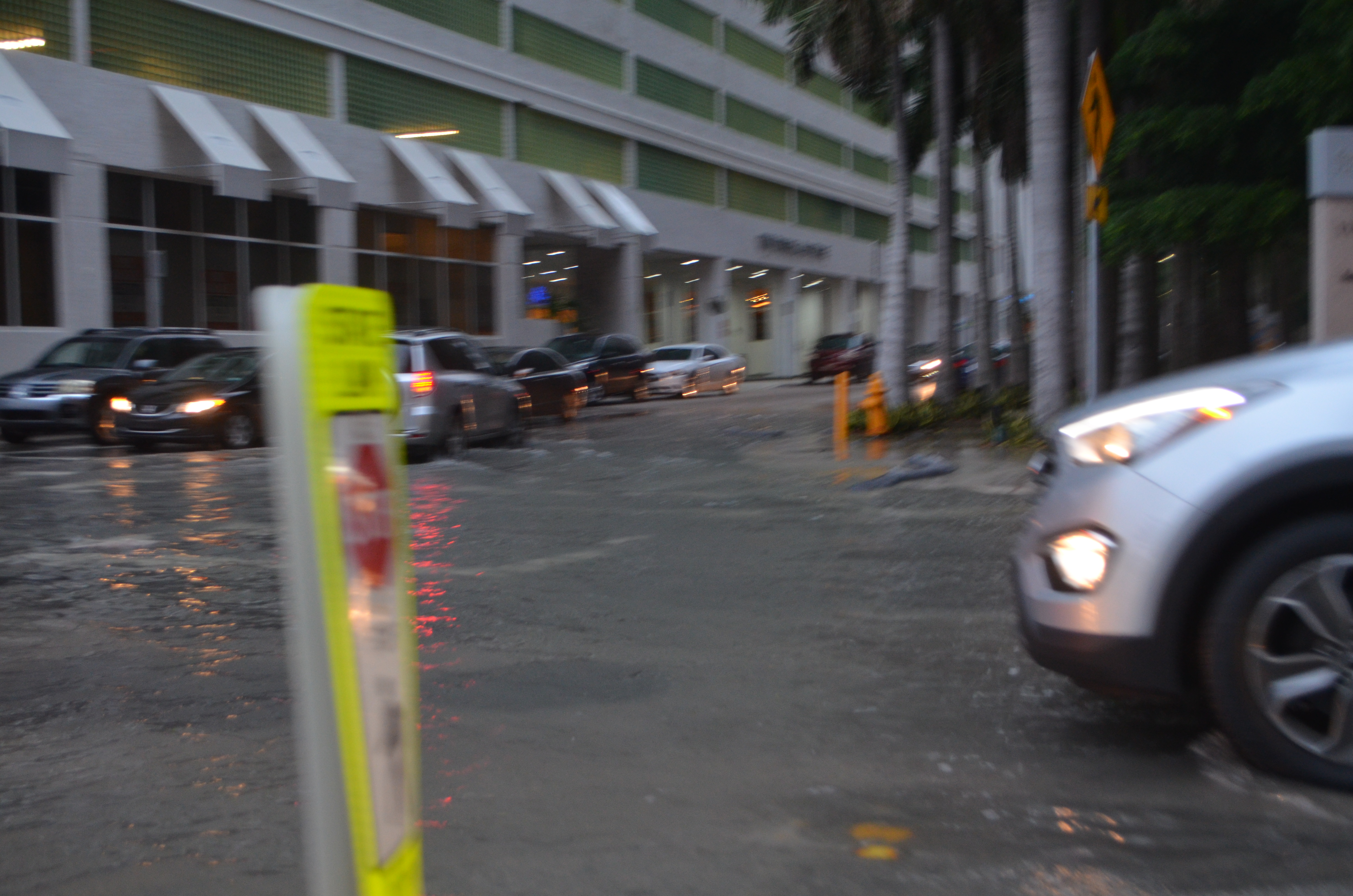
Florida homeowners have absorbed $1.6 billion in flood damage because a state program lets developers destroy urban wetlands and replace them in remote locations, according to a study by the Massachusetts Institute of Technology reported Thursday, July 16.
The study examined Florida's wetland mitigation banking program, which has been in place since 1996. Under the program, developers who fill wetlands must purchase credits from authorized mitigation banks that fund restoration elsewhere. The goal is "zero net loss" of wetlands statewide. But the study found that wetlands are routinely removed from high-value urban areas and restored in less flood-prone locations farther away, stripping neighborhoods of natural sponges that absorb and slow excess water.
The findings carry weight for Miami Beach residents, who already face some of the highest flood-insurance costs in the country. A September 2025 Realtor.com analysis estimated the typical annual flood-insurance premium in the Miami-Fort Lauderdale metro at $22,718, compared with an average of $3,485 for the nation's 100 largest metros.
Daniel Aronoff, an MIT economics researcher who co-authored the study, proposed taxing mitigation banks and directing the revenue to flood victims. Aronoff argued the tax would compensate homeowners who lost a natural flood barrier while still preserving bank profits, which have totaled $2.4 billion since 1996, according to the Tampa Bay Times.
His economic model estimated the tax, had it been in place from the start, would have cut flood damage by 67 percent and reduced the acreage of developed wetlands by roughly 33 percent. Storm and hurricane damages over the past 25 years would have dropped from nearly $2 billion to $282 million.
A new Florida state law compounds the concern. The law eliminated a requirement that developers confine wetland restoration to the same watershed as their project, allowing offsets even farther from development sites. It also lets mitigation banks collect more than half of a project's payment before restoration is deemed successful. Environmental groups have criticized the program and the new law as favoring developers over flood-prone communities, arguing the no-net-loss goal is not always met, according to the Tampa Bay Times.
Miami Beach already spends heavily on flood mitigation. Voters approved a $439 million general obligation bond in 2018 for stormwater upgrades, street restoration and other resiliency work. But the city has not addressed wetland offset policy specifically, and no Miami Beach commissioner has publicly responded to the MIT study.
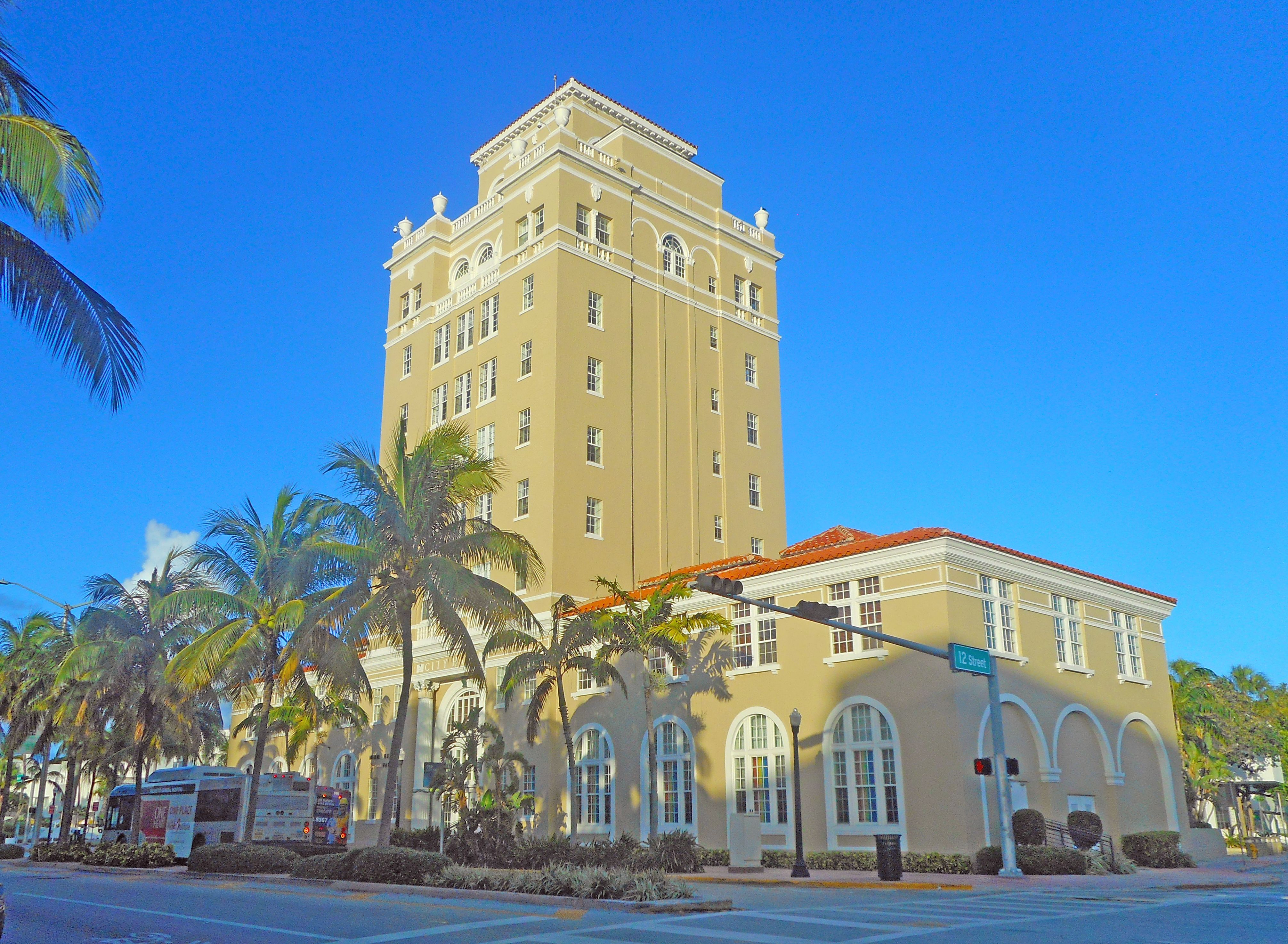
Residents can raise the issue during public comment at the Commission's next meeting, Wednesday, July 22, at 8:30 a.m. in Commission Chambers.



.jpg)