
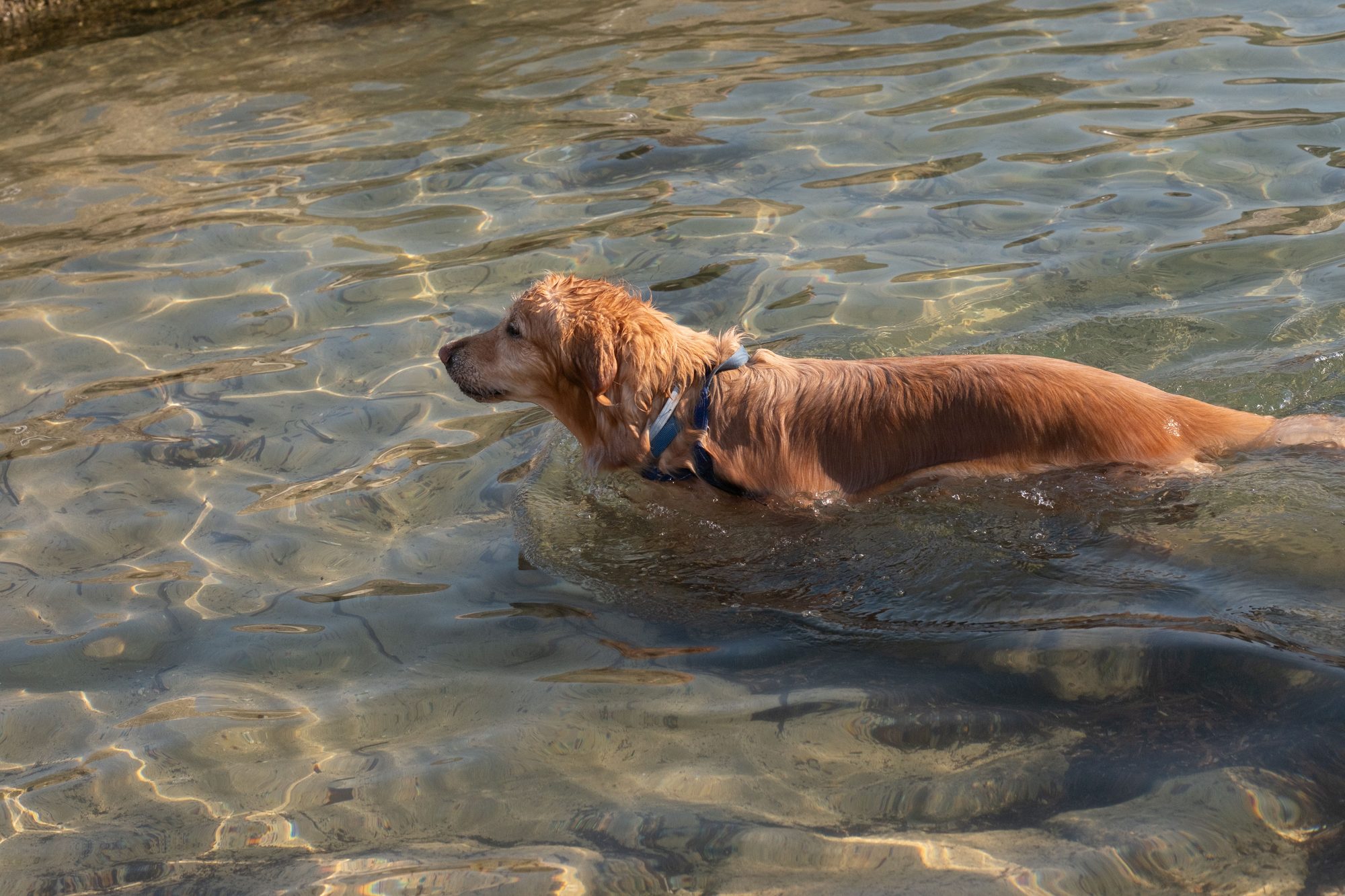
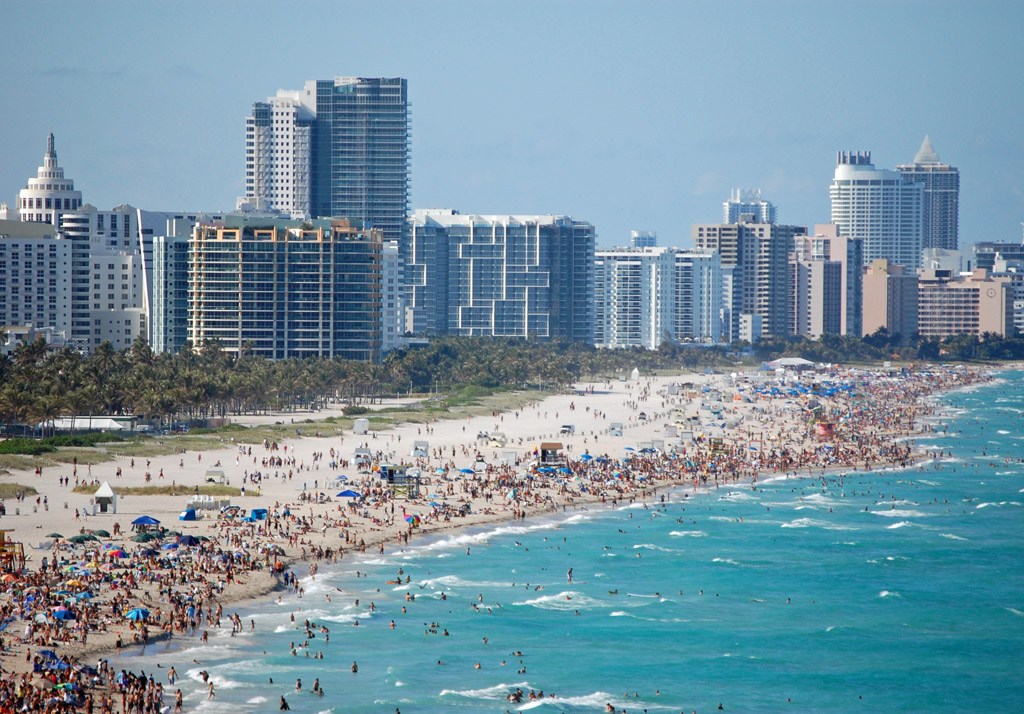
The Florida Department of Health in Miami-Dade County is warning beachgoers to stay out of the water at Bark Beach after tests found elevated bacteria levels.
The health department's advisory, posted Sept. 11, said water samples collected Sept. 10 showed Enterococcus bacteria exceeding state guidelines at the popular dog beach near 79th Street and Collins Avenue. The department advised against all water-related activities at the site.
Dog Beach Closure Affects Weekend Hours
Bark Beach is Miami Beach's only designated beach for dogs. It sits between 80th and 81st streets, east of North Beach Oceanside Park, and is open Friday through Sunday from 3 p.m. to 7 p.m. through October. Dogs are prohibited from all other city beaches.
Bacteria Can Signal Fecal Contamination in Water
Enterococcus bacteria normally live in the intestinal tracts of humans and animals. Their presence in beach water can signal fecal pollution from stormwater runoff, pets, wildlife or human sewage, according to the Florida Department of Health. Swallowing water with elevated bacteria levels or exposing an open cut to it can cause illness, infections or rashes.
Under state guidelines, an advisory is triggered when Enterococcus levels exceed 70 colony-forming units per 100 milliliters of marine water in two consecutive samples. The department did not release the specific bacteria count from the Sept. 10 test.
Second Advisory This Summer for Bark Beach
This is the second time this summer the health department has flagged Bark Beach. A similar advisory was issued July 10 after tests found elevated Enterococcus levels. That advisory was lifted five days later, on July 15, after follow-up samples came back clean.
WSVN reported that the health department also issued a separate advisory for Dog Beach at Virginia Key Beach, on the south side of Virginia Key.
Advisory Remains Until Bacteria Levels Drop
The Bark Beach advisory will remain in effect until follow-up water samples show bacteria levels below the state threshold. Residents with questions can contact DOH-Miami-Dade at 786-336-1300 or visit miamidade.floridahealth.gov.


.jpg)