
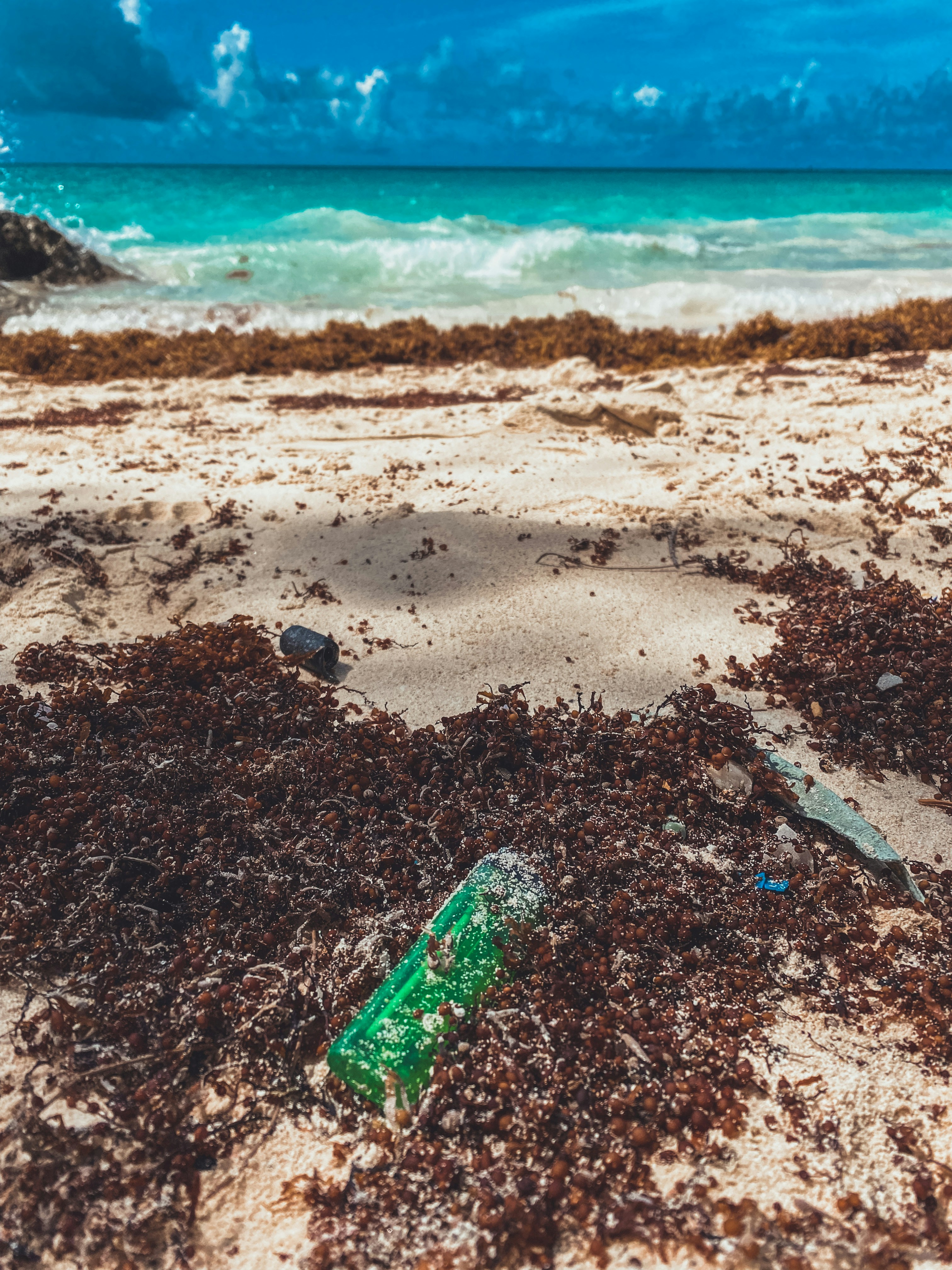
Bal Harbour Village is spending roughly $250,000 on supplemental beach cleanup crews after the Florida Department of Health inspected Bal Harbour Beach and found significant sargassum buildup, the village announced July 22.
The investment pays for daily cleaning seven days a week on top of routine maintenance handled by Miami-Dade County. Crews from contractor Beach Raker are focusing on heavy accumulations near Haulover Inlet, where ocean currents deposit the most seaweed.
The DOH inspection followed a resident complaint. Inspectors observed the sargassum pileup and the cleanup work already underway, then recommended the village continue removal efforts and share health guidance with residents, according to the village's announcement.
Bal Harbour called the sargassum accumulation "unprecedented" for its shoreline. New seaweed washes ashore continuously with tides, wind and wave action, meaning fresh accumulations can appear shortly after crews finish a pass.
A regionwide problem
The problem extends well beyond Bal Harbour. The University of South Florida's Optical Oceanography Lab has called 2026 "another major Sargassum year," warning that volumes could reach record levels by summer's end. CBS News Miami reported in early July that more than 75% of Miami Beach was blanketed in dense sargassum during one recent weekend. On May 20, the Miami Beach City Commission passed a resolution, sponsored by Mayor Steven Meiner, urging Miami-Dade County and the state to expand designated seaweed removal hot spots along the coast.
What residents should know
Sargassum is not a toxin-producing algae and is not expected to harm the general public's health in open beach settings, according to the Florida DOH. But the seaweed releases hydrogen sulfide gas as it decomposes, producing a rotten-egg smell. Tiny marine organisms living in the seaweed can cause skin irritation on direct contact.
The DOH advises residents to:
- Avoid touching or swimming near accumulated seaweed.
- Wear gloves if handling sargassum.
- Move away from the beach if experiencing irritation or breathing difficulty.
- Close windows and doors if odors are bothersome at home.
- Limit beach time if you have asthma or other respiratory conditions.
The department also warns against using sargassum in cooking because it may contain elevated levels of arsenic and cadmium.
What's next
Bal Harbour Village said daily coordination between village staff, Miami-Dade County and Beach Raker will continue, with operations adjusted as conditions change. No end date or next review has been announced.




.jpg)